Label / Studio / Artist Network / Live Exchange
Nothing Records
1992–2004
Founded by Trent Reznor and John Malm Jr., Nothing Records released Nine Inch Nails and a wider artist roster while supporting soundtrack, remix, studio, and touring work from 1992 to 2004.
- Record type
- Label and creative network
- Principal figures
- Trent Reznor / John Malm
- Operational center
- New Orleans
- Archive span
- 1992–2004
Label structure
A Platform Around the Work
Independent identity
Nothing gave Nine Inch Nails and selected artists a shared label identity inside a larger distribution system. Its record belongs to artist development, packaging, touring, promotion, and studio infrastructure rather than logo use alone.
Artist network
The catalog connected Nine Inch Nails with Marilyn Manson, Prick, Coil, Pop Will Eat Itself, The The, Meat Beat Manifesto, and other artists through releases, remixes, soundtrack work, or planned projects. Each relationship retains its own status.
Nothing Studios
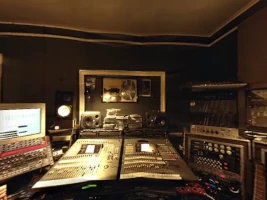
The New Orleans studio became a working center for Nine Inch Nails, label artists, collaborators, soundtrack assembly, and projects including Tapeworm. The studio and label overlap, but they are not interchangeable records.
Soundtrack route
Natural Born Killers demonstrated how the label could assemble music, dialogue, sequencing, and new Nine Inch Nails material into a distinct authored soundtrack object.
Live exchange
Nights of Nothing
1996 package dates
The Nights of Nothing shows assembled changing combinations of label artists and collaborators rather than one fixed touring bill.
Shared personnel
Musicians moved among sets, arrangements, and guest appearances, making the shows a live map of the label’s working relationships.
Place in NIN history
The dates joined label, touring, and collaborator histories as package shows rather than a conventional Nine Inch Nails headline tour.
Catalog boundaries
Released, Planned, and Unfinished
Released catalog
Official Nothing editions retain their artists, catalog numbers, formats, and rights history.
Announced or discussed
Contemporary reporting named additional artists and projects at different stages. A reported plan is preserved as a dated claim, not promoted into a released catalog entry.
Tapeworm
The long-running collaborative sessions used the label and studio network but did not become a public Tapeworm album.
Later state
As label activity receded, artist relationships and recordings continued elsewhere, marking the end of the operating structure without ending every connected collaboration.