Songs / Versions / Samples / Live Change
Songs, Remixes & Live Versions
1988–present
A song rarely stays inside one album. It can reappear as a remix, instrumental, multitrack session, video edit, cover, live reconstruction, guest performance, quotation, or sample source. This ledger explains the relationships without treating every version as interchangeable.
- Core unit
- Canonical song
- Version classes
- Mix / Edit / Instrumental / Live
- Live states
- Performed / Embedded / Unplayed
- Evidence rule
- Credit before inference
Relationship model
One Song, Several Records
Official remix
A credited reconstruction issued or authorized on an official release. The remixer, appearance, date, and source recording remain explicit.
Alternate mix or edit
Radio edits, clean versions, soundtrack edits, instrumentals, and format-specific mixes remain attached to the song without being collapsed into one duration or title.
Multitrack release
Official stems and session files document how a song can be rebuilt. Publicly released materials remain separate from leaked sessions and stems extracted from games.
Live arrangement
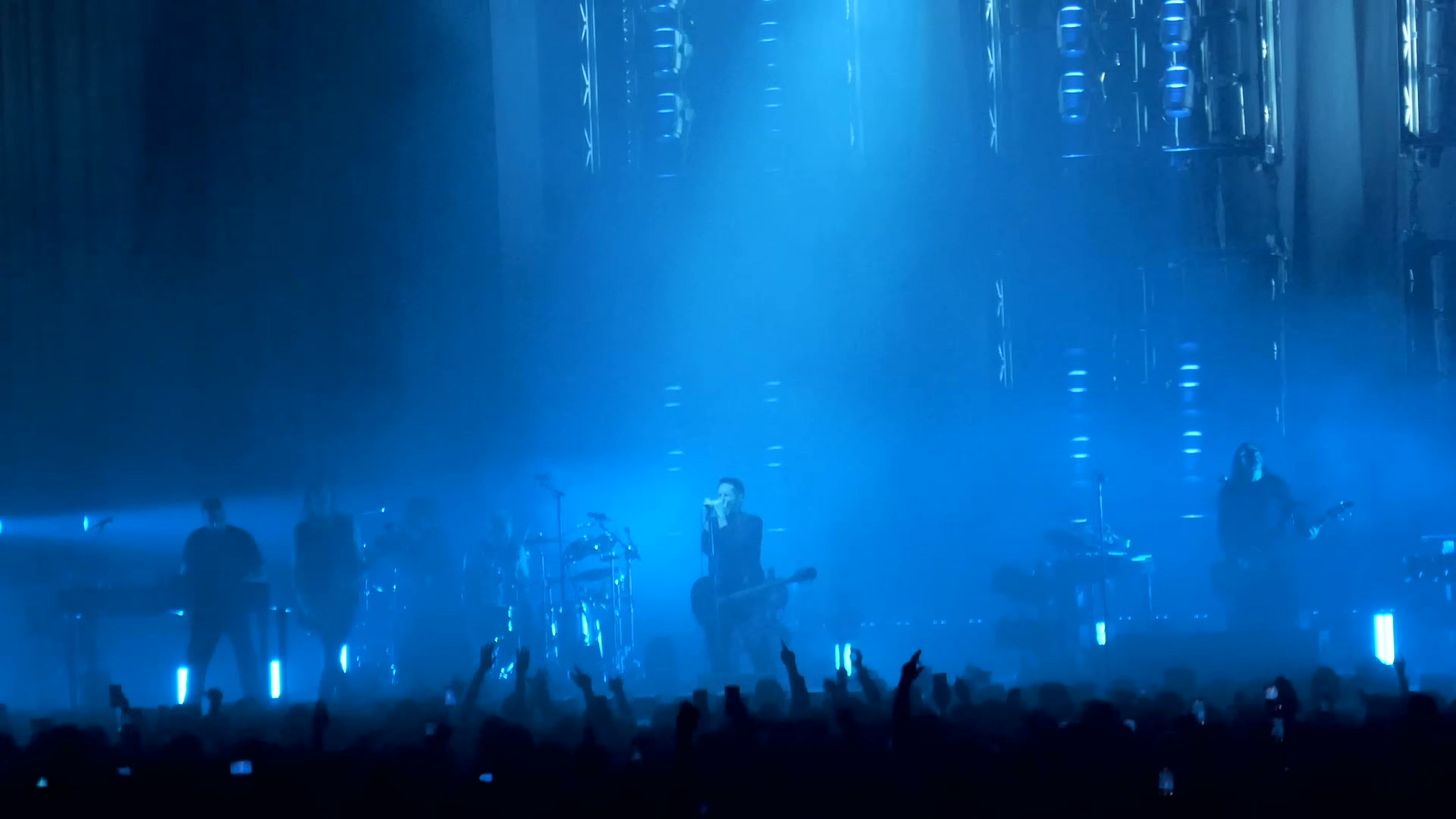
A live version is described by era, lineup, instrumentation, and structure. A prerecorded introduction or partial interpolation is not counted as a complete performance.
Cover and collaboration
Songs performed by Nine Inch Nails, Reznor, or a guest configuration retain the original writer and performer context.
Sample relationship
Credited or independently confirmed samples are distinguished from resemblance, speculation, and unidentified production-library material.
Open construction
The Multitrack Era
The Fragile fragments
1999–2000
Short component files and remix-contest material showed parts of the recording process without releasing complete album sessions.
With Teeth sessions
2005
The Hand That Feeds and Only established an official multiformat path for listeners to examine and reconstruct complete songs.
Year Zero network
2007
Individual songs led into full-album multitracks distributed with Y34RZ3R0R3M1X3D and through the official remix platform.
Ghosts and The Slip
2008
Direct-release editions joined open distribution with project files, stems, and remix participation as part of the release model.
Related projects
2010–2013
How to Destroy Angels and selected score cues extended the same participatory logic beyond Nine Inch Nails albums.
Performance status
What “Played Live” Means
Complete performance
The full composition is performed as a named setlist entry. Arrangement changes do not create a separate song record.
Embedded material
A fragment, lyric, instrumental bed, intro, outro, or interpolation is documented without being promoted to a complete performance.
Rehearsed or soundchecked
Evidence that a song was prepared does not establish a public performance. Rehearsal status remains its own field.
Never performed
The status is time-sensitive and belongs to a dated review. It can change with any new tour or one-off appearance.
Delayed debut
Songs such as The Perfect Drug demonstrate why release date and live debut must remain separate milestones.
Archive route
Representative arrangements link to the tour phase or concert record that documents them rather than to an undifferentiated live page.
Editorial lens
Patterns Across the Songs
Identity and becoming
Across multiple eras, first-person voices question whether the self is stable, constructed, damaged, replaced, or disappearing.
Distance and abandonment
Images of being left behind, moving away, failing to reach another person, and watching connection recede recur without forming one literal narrative.
Systems and submission
Machines, authority, ritual, obedience, control, and surrender move between private experience and public power.
Damage and repair
Broken bodies, surfaces, mechanisms, and memories become a repeated vocabulary for conditions that cannot be restored to an earlier state.
Archive framing
These are interpretive pathways for reading across songs, not claims that repeated words prove a single character, plot, or intent.